Molly: Crafting a Timeless Brand with Vintage Key Illustrations
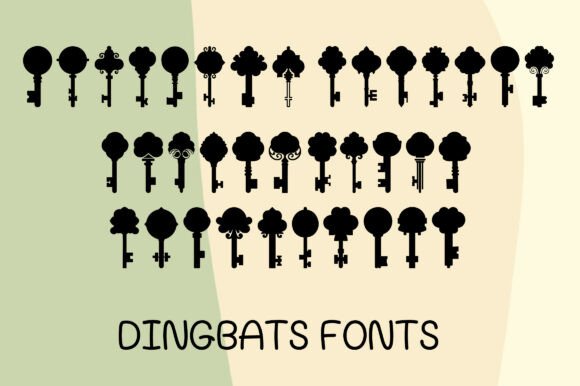
In the crowded landscape of modern typography, finding a typeface that conveys genuine history and emotion without looking dated is a significant challenge. Many designers rely on standard serif font or sans serif font families for safety, but for projects requiring a specific narrative voice, a specialized display font is essential. Molly is not merely a collection of letters; it is a decorative dingbats font that functions as a curated set of design assets. It features a collection of elegant vintage key illustrations, each possessing unique curves, floral-inspired tops, and antique-inspired accents. By combining silhouette shapes with playful ornamental details, this creative font offers a whimsical, stylish, and timeless aesthetic that standard typography cannot replicate.
The visual personality of Molly is defined by its intricate line work and classic silhouette shapes. Unlike generic clip art, these symbols are designed with the precision of a premium font. Each key varies in its ornamental complexity—some feature delicate floral tops, while others boast heavy, antique-inspired handles. This variety allows for dynamic compositions, preventing the repetition that often plagues themed projects. For a graphic designer or brand strategist, understanding the nuance of these illustrations is key to using them effectively. The font does not just represent "access"; it symbolizes "unlocking secrets," "vintage elegance," and "exclusive entry." This semantic weight makes it a powerful tool for logo design and brand identity, where symbols must communicate abstract concepts instantly.
Strategic Applications in Branding and Marketing
For entrepreneurs and small business owners, the choice of typography signals the quality and character of their offerings. Molly is particularly effective for businesses that want to evoke a sense of heritage, mystery, or handcrafted luxury. In the jewelry branding sector, for example, the floral-inspired keys can serve as the foundation for a monogram or a repeating pattern on packaging design. A jewelry box featuring a subtle, gold-foil stamp of a Molly key immediately elevates the perceived value of the product. Similarly, for a locksmith service or a real estate agency focusing on historic properties, using this typeface in marketing materials can distinguish the brand from competitors using sterile, corporate fonts.
Beyond physical products, Molly excels in digital spaces where attention to detail drives engagement. Social media graphics often suffer from a lack of visual hierarchy due to the small format. By using these elegant vintage key illustrations as standalone icons or background elements, content creators can break up text-heavy posts and guide the viewer's eye. Consider a lifestyle blogger or a publisher of mystery novels; integrating these symbols into Instagram stories or Pinterest pins creates a cohesive visual thread that followers learn to recognize. It transforms a standard social media feed into a curated editorial design experience, encouraging higher engagement rates through visual storytelling.
Integrating Molly into Creative and Editorial Projects
The versatility of this typeface extends deeply into the world of craft projects and publishing. For scrapbooking enthusiasts and hobbyists, Molly provides high-quality imagery that complements both physical and digital journals. The silhouette shapes work exceptionally well as templates for vinyl cutting or heat-transfer projects, allowing crafters to create custom stickers, decals, and t-shirt designs. In the realm of editorial design, particularly for gothic themes or fantasy fiction, the font can be utilized for drop caps or chapter dividers. However, it is crucial to treat Molly as a display font rather than a body text solution. The intricate details of the keys are designed to be appreciated at larger sizes; shrinking them down for paragraph text would result in a loss of legibility and visual impact.
For tattoo designers, these illustrations offer a rich library of reference material. The classic silhouette shapes combined with ornamental flourishes translate well into black-and-grey ink work. A tattoo artist could use the font to quickly mock up placement and scale for a client interested in a vintage key design, saving time in the consultation phase. Furthermore, for those in the packaging design industry, particularly in the artisanal food or candle markets, the keys can serve as a unifying graphic element. Imagine a row of scented candles where the scent name is accompanied by a specific key illustration that matches the "mood" of the fragrance—this level of detail signals professionalism and care to the consumer.
Practical Guidance for Font Pairing and Usage
Successfully integrating a decorative dingbats font like Molly into a professional workflow requires more than just installation; it requires an understanding of font pairing and hierarchy. Because Molly is highly decorative and stylistic, it pairs best with clean, neutral typefaces. A modern sans serif font or a simple slab serif font provides the necessary contrast to let the vintage keys stand out without competing for attention. For example, if you are designing a wedding invitation, using a delicate script font for the names and a clean sans serif for the details, with Molly keys acting as dividers or corner accents, creates a balanced composition. Avoid pairing it with other heavily stylized handwritten fonts, as this will create visual clutter and reduce readability.
Before committing to this font for a commercial project, it is essential to evaluate the specific stylistic variations included. While the collection features a range of keys, you should verify that the specific "vibe"—whether floral, gothic, or rustic—aligns with your brand identity. Test the font in your specific design software to ensure the vector paths are clean and scalable, particularly if you plan to use them for large-format printing like signage or posters. Additionally, for web design applications, consider how these complex shapes render on different screen resolutions. While they are excellent as static images or SVGs, they should generally be used as graphic elements rather than live text to ensure consistent rendering across browsers.
Finally, understanding the licensing and commercial application of design assets is a non-negotiable step for professionals. While many creative fonts are available for personal use, commercial projects—such as selling merchandise, client logos, or distributed publications—typically require a specific license. Ensure that your usage of Molly falls within the terms provided by the font creator. This not only protects you legally but ensures that your design assets are legitimate. By treating typography as a strategic asset rather than a mere decoration, designers and business owners can leverage the unique charm of vintage key illustrations to create work that is not only beautiful but also commercially effective and emotionally resonant.